GUARDIAN OF THE THRESHOLD
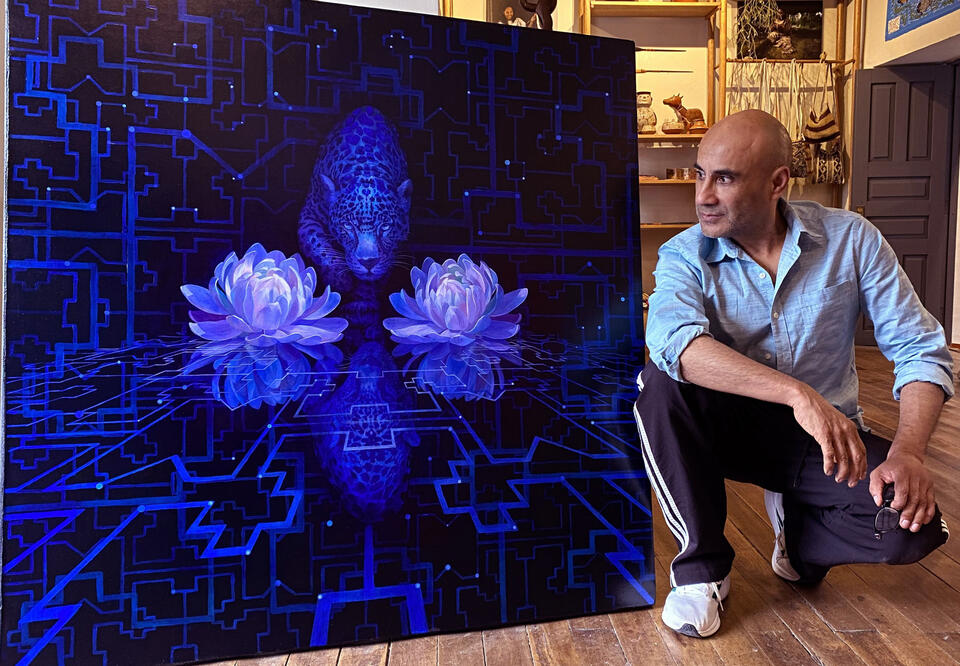
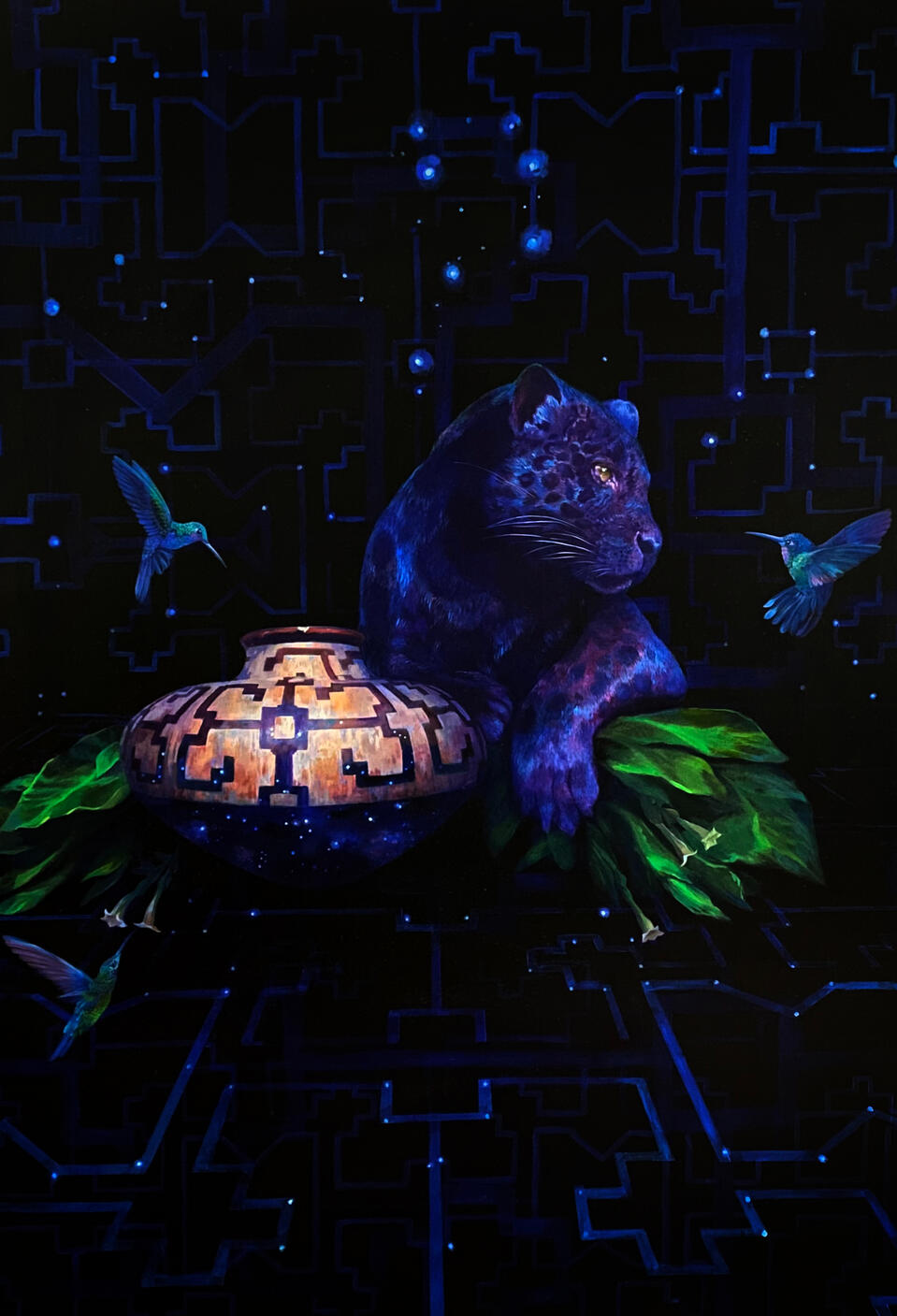
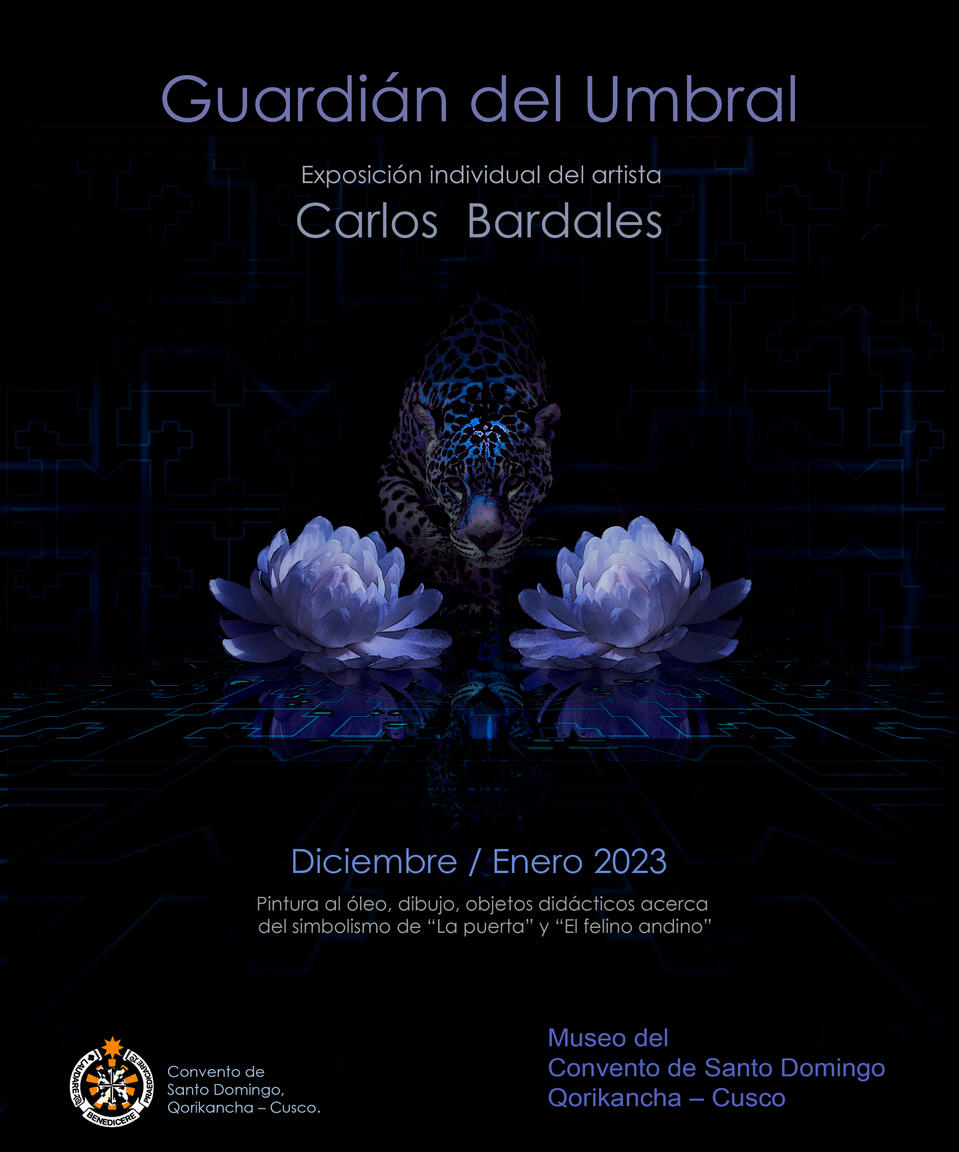
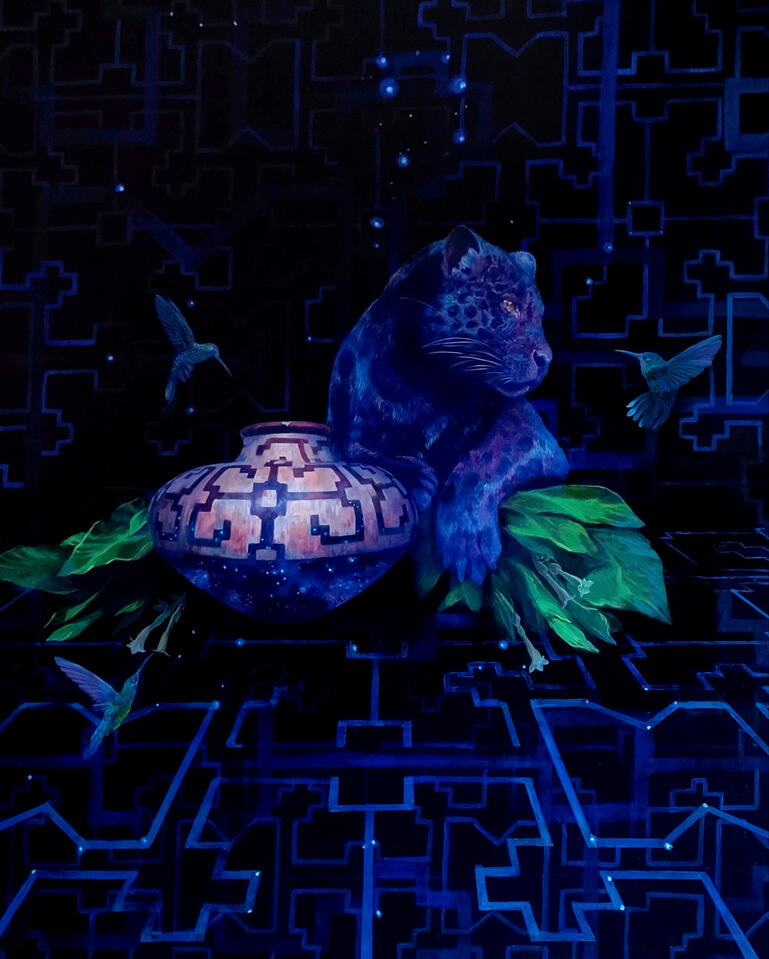
About the Guardian of the Threshold.The image of the jaguar belongs to the jungle, but at the same time, the feline is presented linked to the Andean civilization cycles, this in a multiplicity of forms that range from the most primary or natural (as in Punkurí) to its most complex and also supernatural (as in Chavín, this in a time frame that goes from 2200 to 400 BC, approx.)
But in the scope of the manifestation of Andean-Amazonian civilizations, its presence is shown as a symbol. Ceramics, textiles and architecture have characterized the feline, as an analogy of the telluric and as geometric symbolism. And in the forest worldview, the feline is synonymous with the transition to the various levels that converge in existence, planes that the feline itself represents and at the same time preserves.Here he fulfills the role of guardian of the original places, the ruler of the double-jamb doors and the huacas. In this way, the feline also marks the gap between the realm of nature and that of culture, between the timeless and the temporal, between the circle and the square.
While, in Chavín, the feline is synonymous with authority and power represented by the priesthood, in the jungle, one still aspires to become a jaguar, which, in terms of sacredness, means becoming one's own divinity.Bardales places emphasis on the initiatory aspect that involves crossing the threshold that links the world of culture (the human) with that of ritual (the suprahuman). Within this representative logic, the jaguar is not only the guardian of the threshold, but also the one that transforms the aspirant.But the encounter with the feline is not only the restitution of an original state (of the archetypal Hakhe Runa), but also the first day of culture: the Pacarina. In this aspect it represents the beginning of the founding myths. In short, it is the understanding of the verb contained in the codes of the iconography that will allow us to speak with our ancestors.
Walter Diaz
December, 2022
.Acerca del Guardián del Umbral.La imagen del jaguar pertenece al ámbito de la selva, pero al mismo tiempo, el felino se presenta ligado a los ciclos civilizatorios andinos, esto en una multiplicidad de formas que van desde la más primaria o natural (como en Punkurí) a su concepción más compleja y también sobrenatural (como en Chavín), esto en un marco temporal que va de 2200 al 400 aC, aprox.Pero en el ámbito de la manifestación de las civilizaciones andinas, su presencia se muestra como un símbolo. La cerámica, el textil y la arquitectura han caracterizado al felino, como analogía de lo telúrico y como simbolismo geométrico. Y es que, en la cosmovisión forestal, el felino es sinónimo del tránsito a los diversos niveles que convergen en la existencia, planos que el mismo felino representa ya la vez conserva.Aquí cumple la función de guardián de los lugares originarios, el regente de las puertas de doble jamba y de las huacas. De este modo, el felino también marca la brecha entre el ámbito de la naturaleza y el de la cultura, entre lo atemporal y lo temporal, entre el círculo y el cuadrado.Mientras que, en Chavín, el felino es sinónimo de autoridad y poder representado por el sacerdocio, en la selva, todavía uno aspira a convertirse en un jaguar, lo que, en términos de sacralidad, significa volverse uno mismo la divinidad.Bardales pone énfasis en el aspecto iniciatico que implica atravesar el umbral que vincula el mundo de la cultura (el humano) con el del ritual (el suprahumano). Dentro de esta lógica representativa, el jaguar no solamente es el guardián del umbral, sino también, el devorador del aspirante.Pero el encuentro con el felino, no solamente es la restitución de un estado original (del arquetípico Hakhe Runa), sino también el primer día de la cultura: la Pacarina. En este aspecto representa el inicio de los mitos fundacionales. En suma, es el entendimiento del verbo que encierran los códigos de las iconografías, aquello que nos permitirá hablar con los antepasados.Walter Díaz
diciembre, 2022